Stage · Building the first prototype

Autonomous leaf-level detection and precision treatment, inside the canopy.

AgroMind is an insect-scale robotic system that monitors, diagnoses and treats crop threats at their earliest stage — deep inside the canopy, before damage becomes visible.

● Coffee · Vineyards · High-value orchards
AS-01 · Prototype in development
Building with — partners & ecosystem
KIC · Israel Innovation Center KKL-JNF ICA in Israel Pearl Cohen Norterra Brooks Keret David Priedman Fund
The problem

Crop management breaks down exactly where the problems begin.

High-value crops are managed with limited visibility and delayed response. Critical threats start at the microscopic level, inside dense canopies that are inaccessible to inspection — and by the time symptoms are visible above the leaves, the damage has already spread.
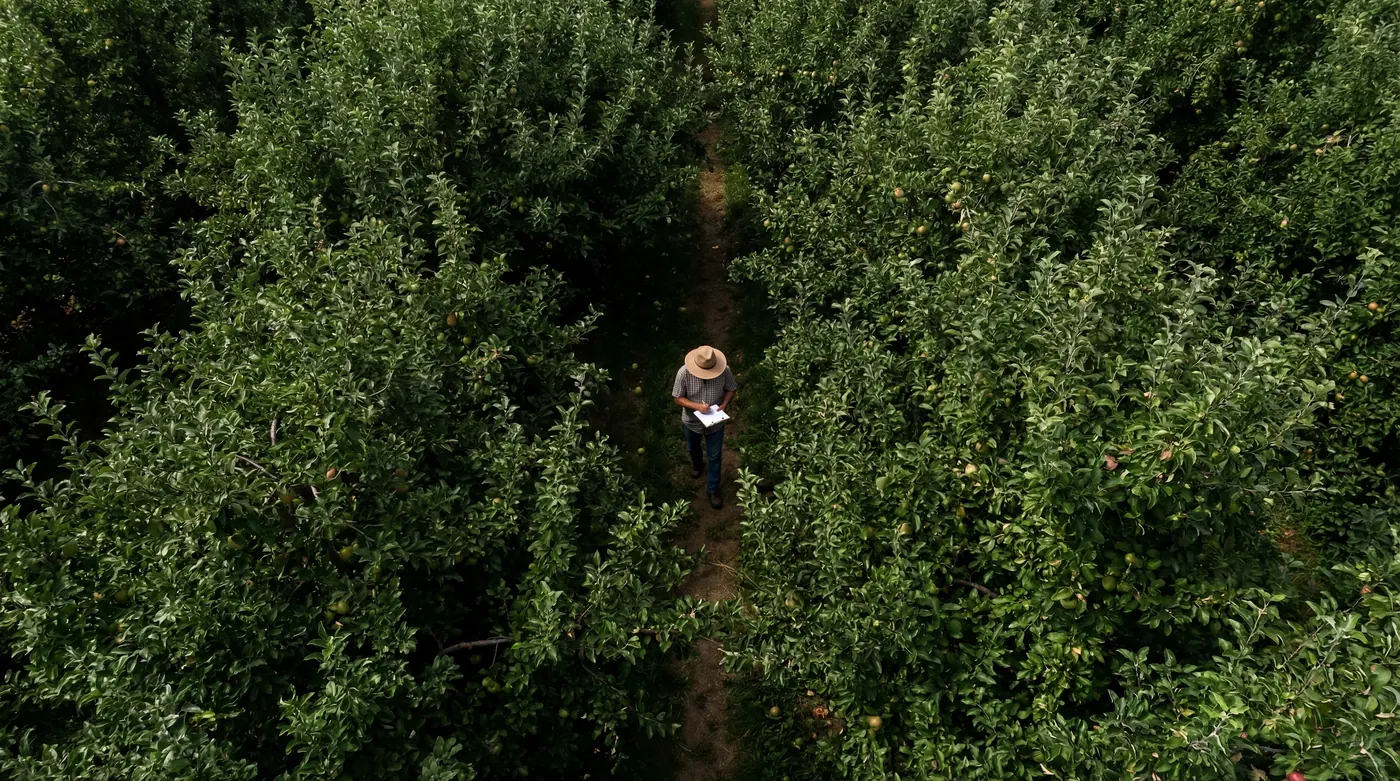
Manual scouting in the field
Manual scouting

Slow, inconsistent, surface-only.

Doesn't scale across large or dense crop areas. Limited to symptoms that are already visible.
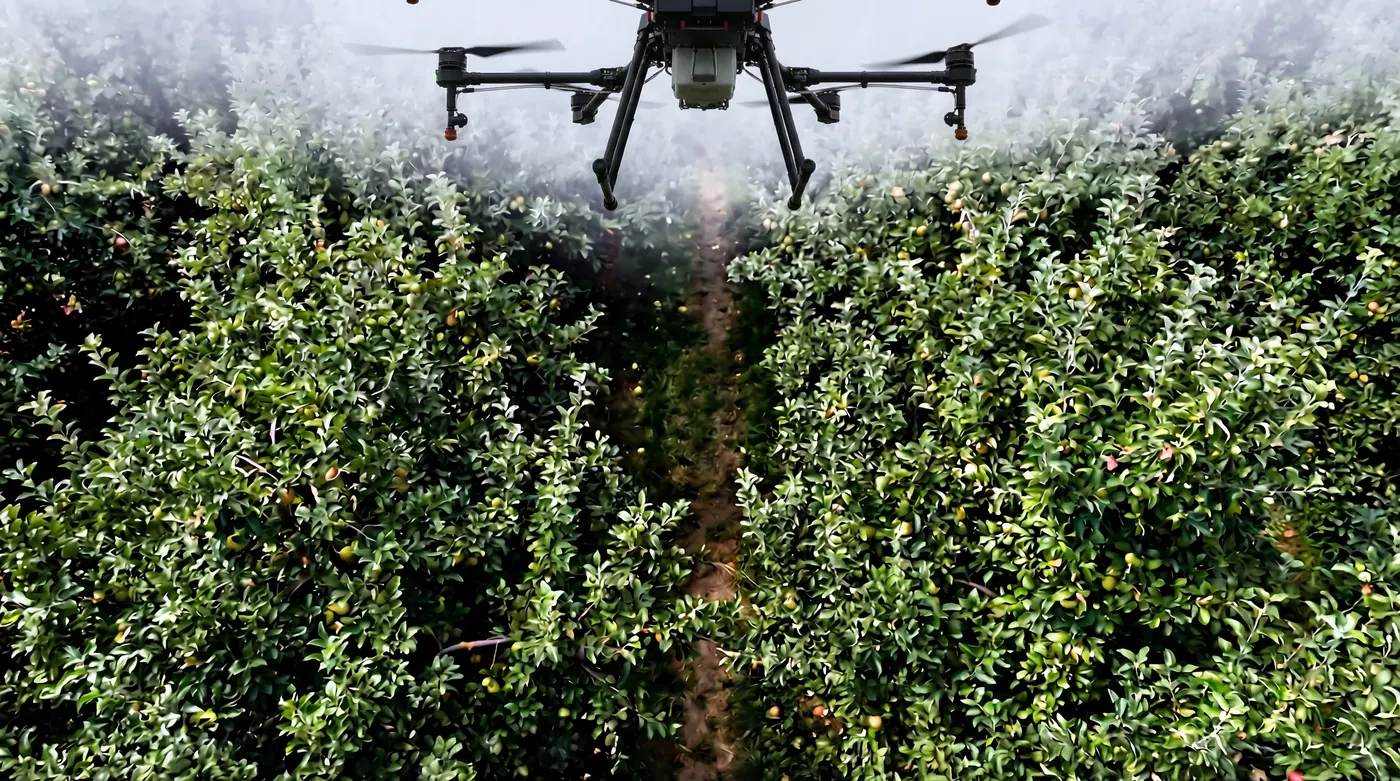
Drone above canopy
Drones & aerial tools

Operate above the canopy.

Miss early-stage problems that develop at the leaf and fruit-cluster level — where they actually begin.
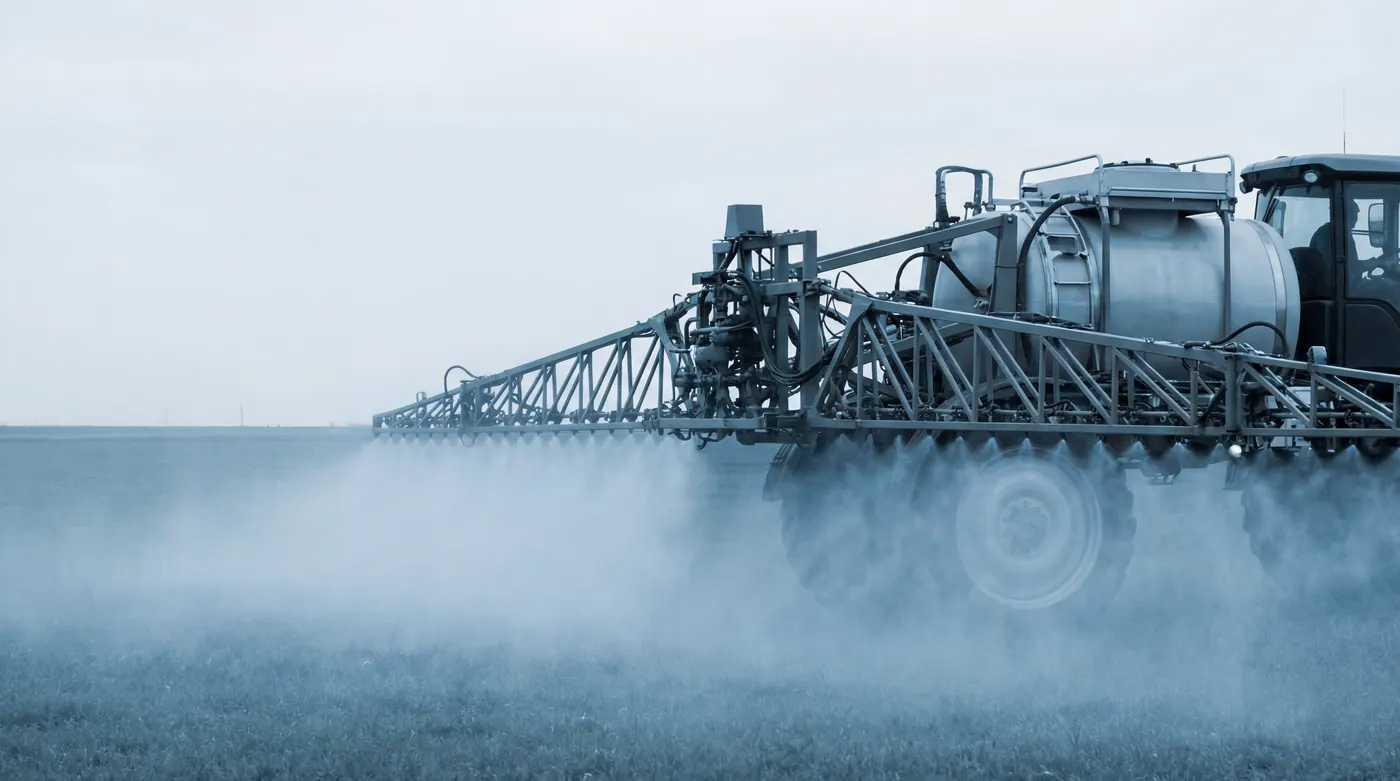
Broad-spectrum spraying
Chemical spraying

Broad, wasteful, reactive.

Applied across the whole field due to a lack of precise detection — expensive and damaging to the crop.
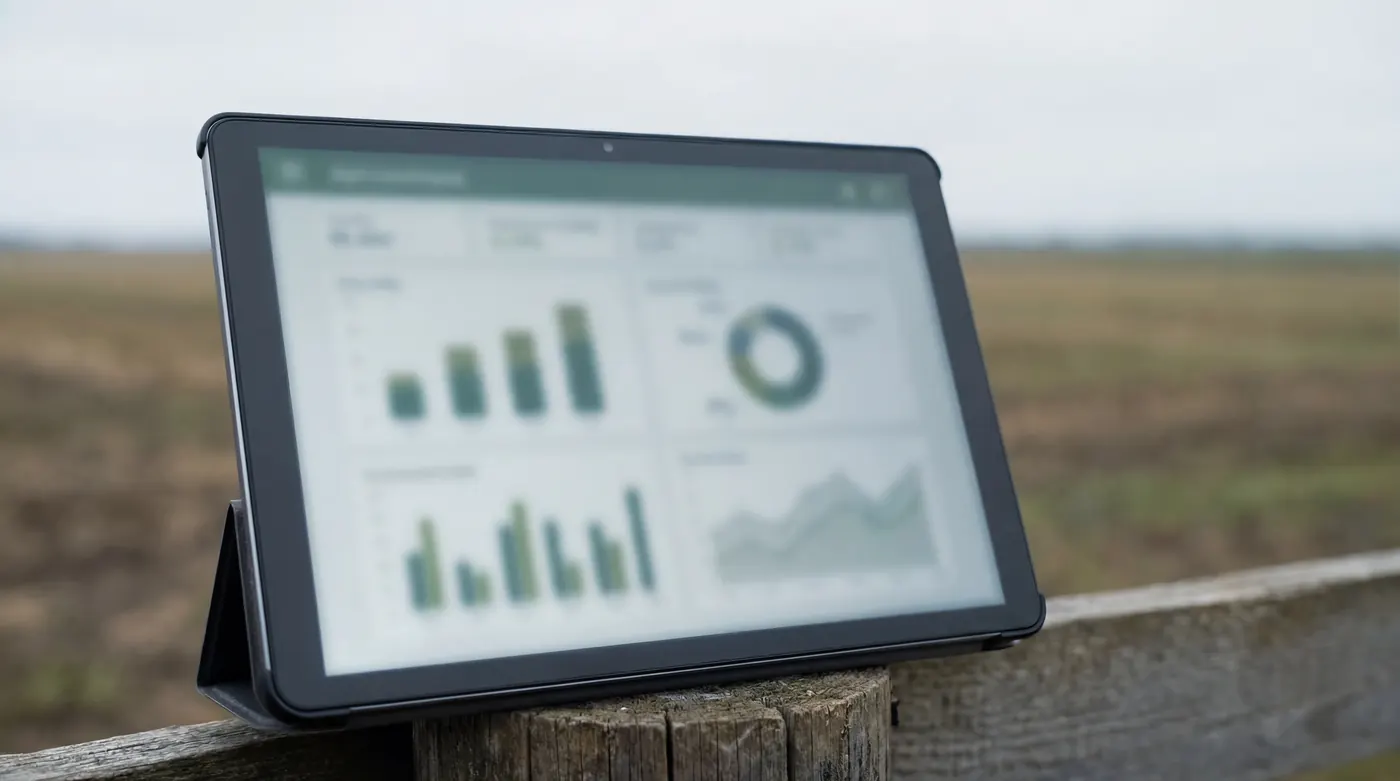
Information platforms

Inform, but don't act.

The grower still has to interpret the data and respond manually. The loop never closes.
The solution

Insect-scale robots that work where the problems start.

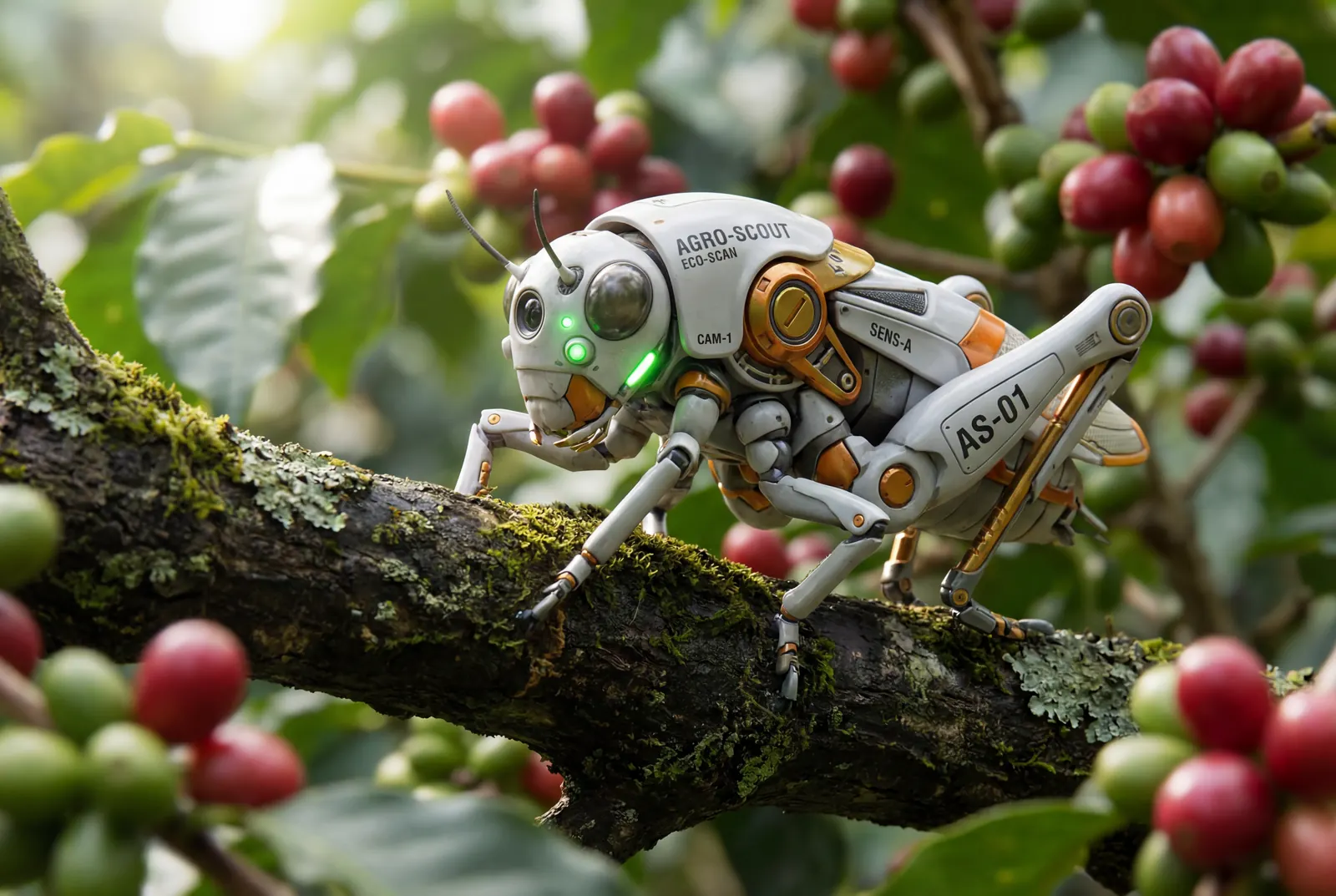
AgroMind operates directly inside the crop canopy — sensing, diagnosing, treating, and verifying at the leaf level. From reactive, broad management to continuous, precise, autonomous control.

AGRO-SCOUT robot on coffee branch
Three things no current system does together

Early biological detection

Identifies diseases, pest activity and plant stress before visible symptoms appear — while intervention is still cheap and preventable.

Targeted micro-treatment

Delivers precise micro-doses directly to affected leaves or clusters. No blanket spraying, no chemical waste, no collateral damage to the crop.

Fully autonomous operation

Continuous 24/7 scanning, diagnosis and intervention. No manual scouting. Every plant monitored individually.

The shift

From reactive, broad management → to precise, autonomous control.

Dimension
Current approach
AgroMind
Detection timing
Late — after visible damage
Early — before spread
Visibility
Limited / external
Inside the canopy, at leaf level
Treatment
Broad spraying
Targeted micro-treatment
Labour
Manual
Autonomous
Response
Reactive
Continuous and immediate
Initial deployment

Coffee: highest biological leverage, strongest economic case.

Coffee combines dense canopies, microscopic threats, labour-constrained operations and high crop sensitivity. Three of its most damaging problems are exactly the kind of failures AgroMind is built to solve.

USE CASE · 01

Coffee Leaf Rust

Stopped at the microscopic stage. The system detects early infection before visible symptoms, treats the infected leaf directly, and confirms suppression through repeat scans — containing outbreaks before they spread.

USE CASE · 02

Coffee Berry Borer

Early invasion is detected at the fruit-cluster level, targeted micro-treatment is applied at the infestation site, and risk zones are continuously tracked and updated — reducing damage and broad-spectrum sprays.

USE CASE · 03

Nutritional Stress

Localised nutrient deficiencies are identified at the leaf level, corrected with precise micro-doses, and fed back into the field model — improving quality uniformity and yield consistency.

Why coffee, first

Dense canopies hide the problems that matter most.

Critical threats begin at the microscopic level — exactly where existing tools can't see. Coffee's land and labour constraints make autonomous operation immediately valuable, and small biological improvements translate into outsized economic gains. The same platform extends seamlessly to vineyards, citrus, avocado and other high-value crops with similar canopy structures.

Coffee leaf rust at microscopic stage
Modelled impact

Measurable gains in cost, yield and profitability.

↓ 40–70%
Reduction in chemical use
Targeted treatment replaces broad spraying
↓ 50–80%
Reduction in labour
Eliminates manual scouting
↑ 5–15%
Yield improvement
Disease and pest spread prevented early
₪800–2,400
Savings per dunam per year
Modelled across the target use cases

Modelled estimates based on target crops and current grower economics. Pilot validation to follow.

Roadmap

From prototype to global deployment.

2025 · ALPHA
Architecture & first build

System architecture locked. First prototype unit. Core team formation across robotics, AI and agronomy.

2026 · MVP
Field-ready MVP

1–3 robots operating inside the canopy. Basic vision AI on single pest. Closed-loop detect-treat-verify in controlled plots.

2027 · PILOTS
Multi-grower pilots

Commercial pilots across selected coffee orchards. Full digital twin. Grower-facing app.

2028+ · SCALE
Commercial deployment

Robot-as-a-Service rollout. Expansion to vineyards and adjacent high-value crops. International deployment.

Join us

The future of plant protection is precise, autonomous and green.

We're looking for partners on the journey: engineers and researchers to advance the platform, growers and agronomists to pilot the system in real orchards, and strategic investors to scale the company.